



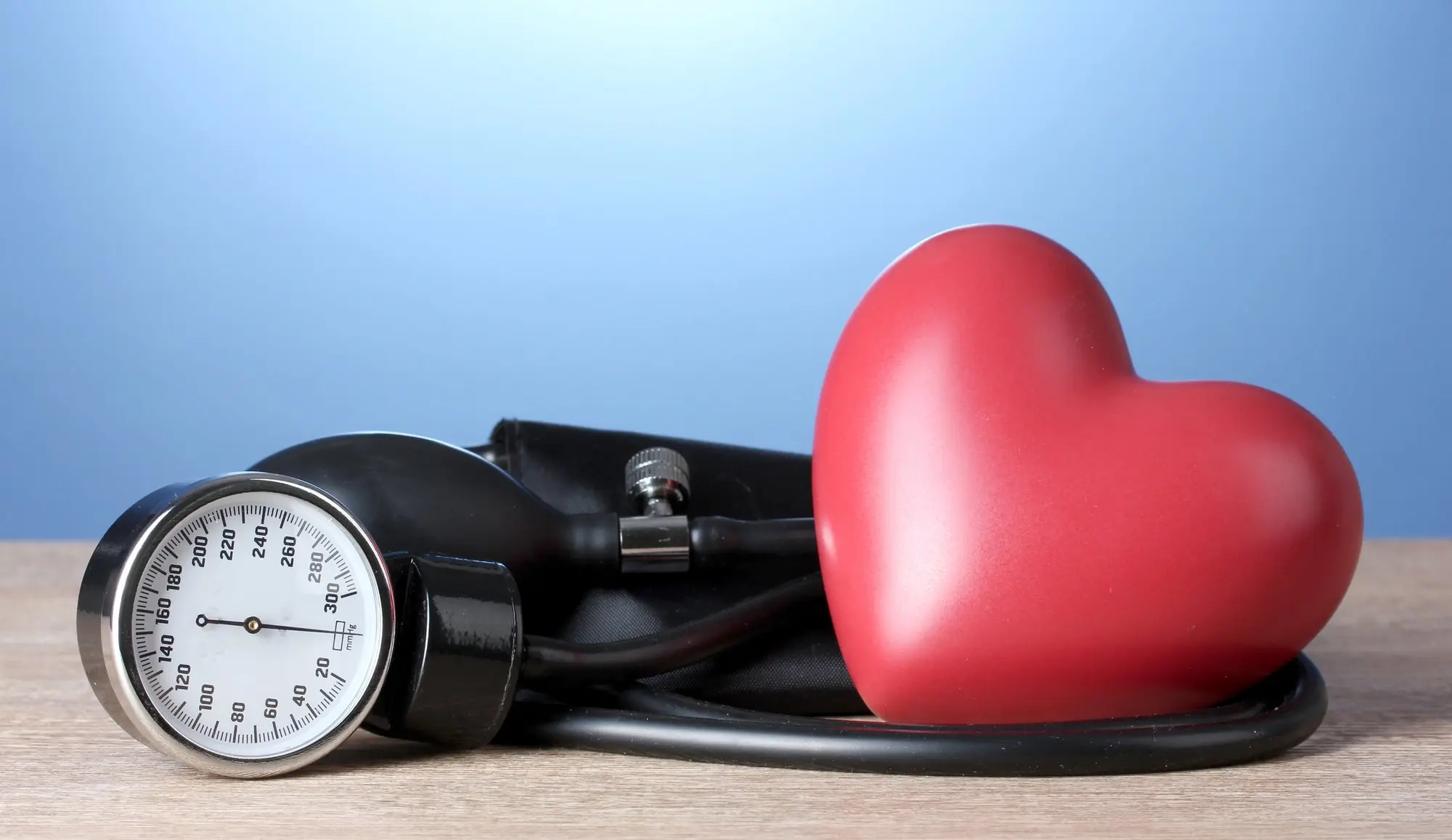
High blood pressure, also known as hypertension, is one of the most common cardiovascular conditions worldwide. Often called the “silent killer,” it usually develops without noticeable symptoms but can lead to serious health complications if left untreated. Managing blood pressure through healthy lifestyle choices and regular medical checkups is essential for protecting your heart and overall health.
In this article, you’ll learn about the causes, symptoms, risk factors, and effective ways to prevent and manage high blood pressure.
What Is High Blood Pressure?
Blood pressure is the force of blood pushing against the walls of your arteries as your heart pumps. When this pressure remains consistently higher than normal, it is known as high blood pressure.
Over time, uncontrolled hypertension can damage blood vessels and increase the risk of heart disease, stroke, kidney disease, and vision problems.
Common Causes of High Blood Pressure
In many cases, there is no single identifiable cause of hypertension. However, several lifestyle and health factors can increase the risk.
Common causes and risk factors include:
- Excess body weight
- High sodium intake
- Lack of physical activity
- Smoking
- Excessive alcohol consumption
- Chronic stress
- Family history of hypertension
- Diabetes
- Kidney disease
- Aging
Making healthy lifestyle changes can help reduce many of these risk factors.
Symptoms of High Blood Pressure
One of the biggest challenges with hypertension is that many people experience no symptoms for years. This is why regular blood pressure screenings are so important.
In severe cases, symptoms may include:
- Frequent headaches
- Dizziness
- Blurred vision
- Chest pain
- Shortness of breath
- Nosebleeds
- Fatigue
If you experience severe symptoms or extremely high blood pressure, seek immediate medical attention.
Why High Blood Pressure Is Dangerous
When blood pressure remains elevated for a long time, it places extra strain on your heart and blood vessels.
Untreated hypertension can increase the risk of:
- Heart attack
- Stroke
- Heart failure
- Kidney damage
- Vision loss
- Peripheral artery disease
- Cognitive decline
Early diagnosis and proper treatment significantly reduce these risks.
How to Prevent High Blood Pressure
Healthy lifestyle habits play a major role in preventing hypertension.
Eat a Heart-Healthy Diet
Focus on foods that support cardiovascular health, including:
- Fruits
- Vegetables
- Whole grains
- Lean proteins
- Low-fat dairy products
- Nuts and seeds
Reduce foods high in sodium, saturated fats, processed sugars, and unhealthy fats.
Exercise Regularly
Regular physical activity strengthens the heart and helps maintain healthy blood pressure.
Aim for at least 150 minutes of moderate exercise each week, such as:
- Brisk walking
- Swimming
- Cycling
- Dancing
- Light jogging
Even daily walks can make a positive difference.
Maintain a Healthy Weight
Being overweight increases the workload on your heart and raises blood pressure. Losing excess weight through healthy eating and exercise can help lower hypertension naturally.
Limit Salt Intake
Consuming too much sodium causes the body to retain water, increasing blood pressure.
Instead of adding extra salt to meals, flavor foods with herbs, spices, garlic, or lemon juice.
Manage Stress
Long-term stress can contribute to elevated blood pressure.
Healthy stress-management techniques include:
- Meditation
- Deep breathing exercises
- Yoga
- Reading
- Spending time with family
- Outdoor activities
Finding healthy ways to relax benefits both your heart and mental health.
Monitor Your Blood Pressure
Checking your blood pressure regularly helps detect problems before complications develop.
You should monitor your blood pressure if you:
- Have a family history of hypertension
- Are over the age of 40
- Have diabetes
- Are overweight
- Smoke
- Have high cholesterol
Home blood pressure monitors can also help you track your readings between doctor visits.
When to See a Healthcare Provider
Schedule a medical evaluation if:
- Your blood pressure remains consistently high.
- You experience chest pain or shortness of breath.
- You have persistent headaches or blurred vision.
- You have multiple cardiovascular risk factors.
- Lifestyle changes are not improving your blood pressure.
Your healthcare provider may recommend lifestyle modifications, medication, or both depending on your individual needs.
Conclusion
High blood pressure is a serious yet manageable condition. Because it often develops without noticeable symptoms, regular screenings are essential for early detection. Eating a balanced diet, exercising regularly, maintaining a healthy weight, reducing sodium intake, managing stress, and avoiding smoking can significantly lower your risk of hypertension and heart disease. By making heart-healthy choices today, you can protect your cardiovascular health and reduce the risk of life-threatening complications in the future.
