



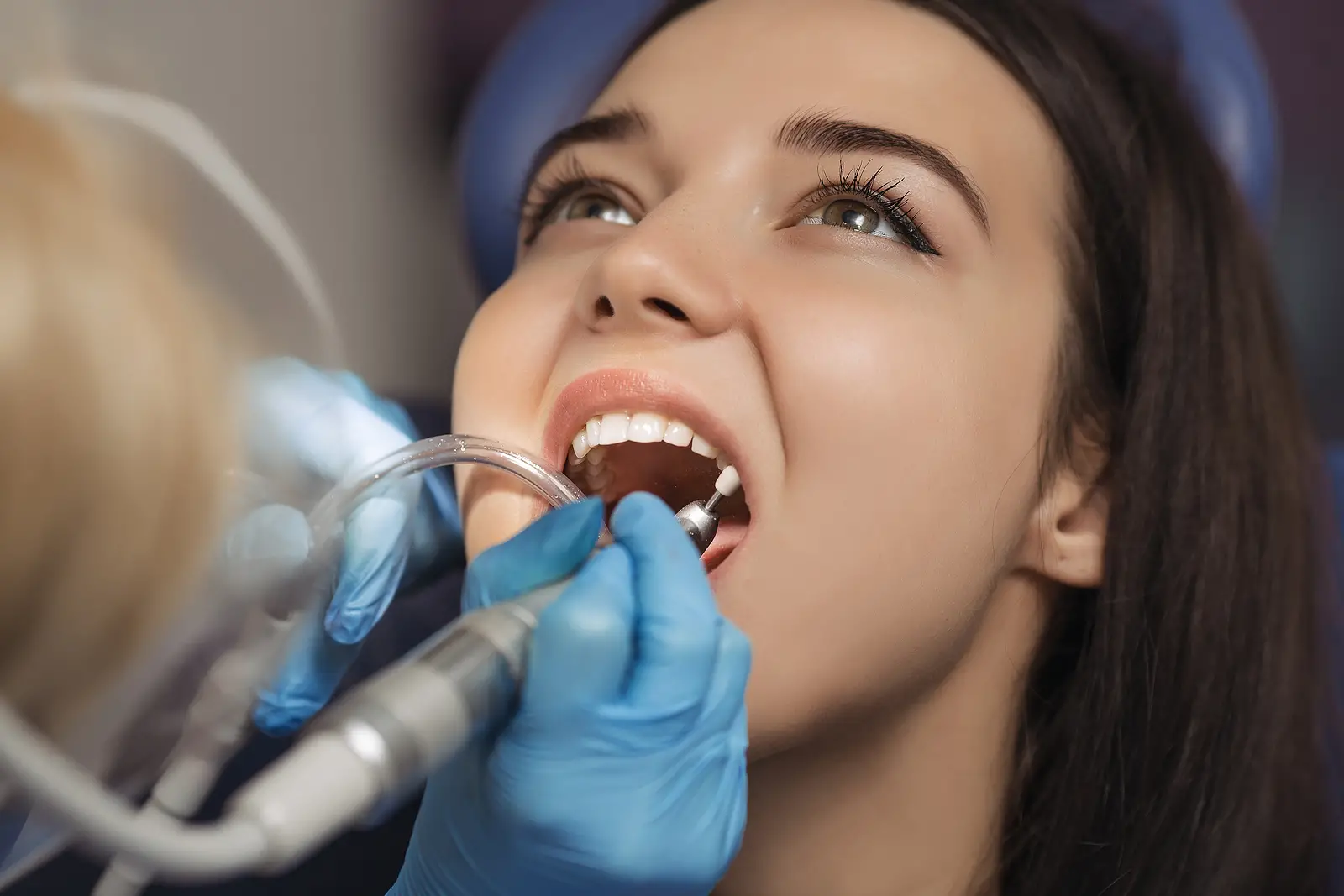
A healthy smile is more than just an attractive feature, it is an important part of your overall health. Good oral hygiene helps prevent cavities, gum disease, bad breath, and tooth loss while also reducing the risk of certain health conditions linked to poor dental health. By following a consistent dental care routine and visiting your dentist regularly, you can keep your teeth and gums healthy for years to come.
Whether you’re a child, an adult, or a senior, practicing proper oral hygiene is one of the best investments you can make in your long-term well-being.
Why Oral Health Matters
Your mouth contains millions of bacteria. While many are harmless, poor oral hygiene allows harmful bacteria to multiply, leading to plaque buildup and dental disease. Untreated oral problems can affect eating, speaking, self-confidence, and even your overall health.
Research has shown that poor oral health may be associated with conditions such as heart disease, diabetes, and respiratory infections. Maintaining healthy teeth and gums benefits your entire body.
Brush Your Teeth Properly
Brushing is the foundation of good dental care. Dentists recommend brushing your teeth at least twice a day using a fluoride toothpaste and a soft-bristled toothbrush.
For effective brushing:
- Brush for at least two minutes.
- Clean all tooth surfaces.
- Use gentle circular motions.
- Replace your toothbrush every three to four months.
Avoid brushing too aggressively, as it can damage tooth enamel and irritate your gums.
Don’t Forget to Floss
Flossing removes food particles and plaque from areas that your toothbrush cannot reach. Daily flossing helps prevent cavities between teeth and reduces the risk of gum disease.
If traditional floss is difficult to use, consider floss picks or water flossers as effective alternatives.
Eat Foods That Support Dental Health
Your diet has a significant impact on your oral health. Certain foods strengthen teeth and protect against decay.
Choose foods such as:
- Dairy products rich in calcium
- Leafy green vegetables
- Fresh fruits
- Crunchy vegetables like carrots and celery
- Nuts and seeds
Limit sugary snacks and beverages, as sugar feeds bacteria that produce acids capable of damaging tooth enamel.
Stay Hydrated
Drinking plenty of water helps rinse away food particles and bacteria while encouraging saliva production. Saliva naturally protects teeth by neutralizing acids and washing away harmful microorganisms.
Water is especially beneficial after meals when brushing isn’t immediately possible.
Schedule Regular Dental Checkups
Many dental problems develop without noticeable symptoms during the early stages. Regular dental visits allow your dentist to identify issues before they become serious.
Routine examinations typically include:
- Professional teeth cleaning
- Cavity detection
- Gum health evaluation
- Oral cancer screening
- X-rays when necessary
Most people benefit from visiting the dentist every six months, although some individuals may require more frequent care.
Common Dental Problems
Understanding common oral health issues can help you seek treatment early.
Tooth Decay
Cavities occur when bacteria produce acids that weaken tooth enamel. Symptoms may include tooth sensitivity, pain, or visible holes in the teeth.
Gum Disease
Gingivitis is the earliest stage of gum disease and often causes swollen, red, or bleeding gums. Without treatment, it can progress to periodontitis, which may lead to tooth loss.
Tooth Sensitivity
Sensitive teeth can cause discomfort when consuming hot, cold, sweet, or acidic foods. A dentist can determine the cause and recommend appropriate treatment.
Bad Breath
Persistent bad breath may result from poor oral hygiene, gum disease, dry mouth, or other underlying health conditions.
Healthy Habits for Strong Teeth
Simple daily habits can significantly improve your oral health.
- Brush twice every day.
- Floss daily.
- Use fluoride toothpaste.
- Limit sugary foods and drinks.
- Avoid tobacco products.
- Wear a mouthguard during sports.
- Drink plenty of water.
- Visit your dentist regularly.
Consistency is the key to preventing most dental problems.
Conclusion
Maintaining good oral health requires a combination of proper hygiene, healthy eating habits, and regular professional dental care. Brushing, flossing, eating nutritious foods, and attending routine dental checkups can prevent many common dental problems before they become serious. By making oral health a daily priority, you can protect your teeth, preserve your smile, and support your overall health throughout every stage of life.
