



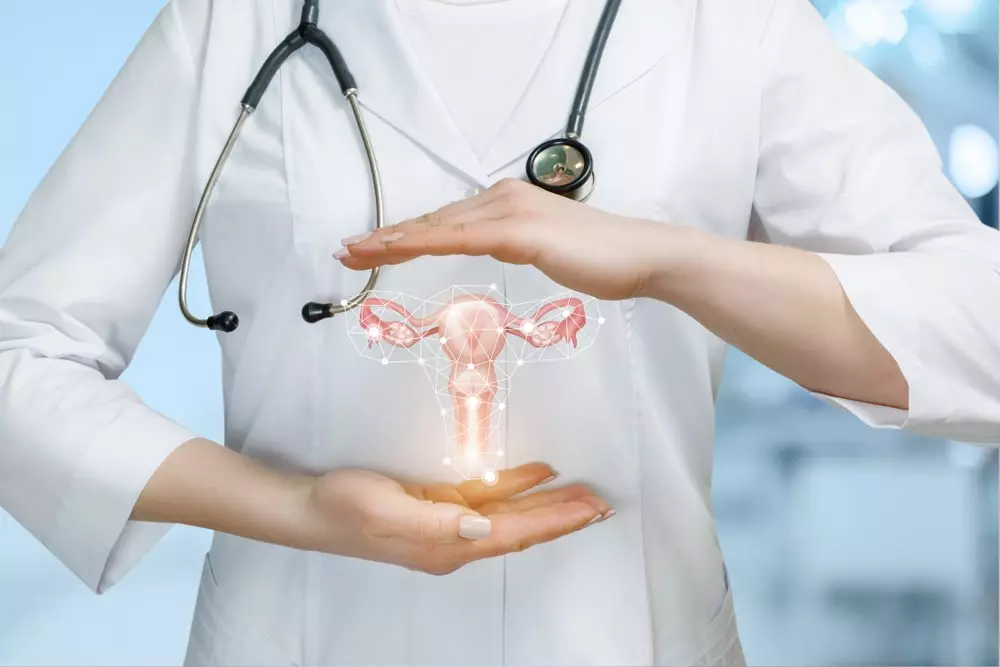
Women’s reproductive health plays a vital role in overall well-being. Regular gynecological care helps detect health problems early, supports reproductive health, and promotes a better quality of life. While many gynecological conditions are common, they often go untreated because women may ignore symptoms or delay seeking medical care.
Understanding the most common gynecological health issues can help women recognize warning signs and receive timely treatment.
Why Gynecological Health Matters
Gynecological health includes the care of the female reproductive system, including the uterus, ovaries, fallopian tubes, cervix, vagina, and breasts. Routine checkups allow healthcare providers to identify infections, hormonal disorders, and other conditions before they become more serious.
Regular gynecological visits are important for women of all ages, regardless of whether they are sexually active.
Common Gynecological Conditions
Menstrual Disorders
Irregular or painful menstrual cycles are among the most common reasons women visit a gynecologist. While occasional changes may be normal, persistent abnormalities should be evaluated.
Common menstrual problems include:
- Heavy menstrual bleeding
- Missed periods
- Irregular cycles
- Severe menstrual cramps
- Bleeding between periods
Hormonal imbalances, thyroid disorders, stress, and certain medical conditions can all affect the menstrual cycle.
Polycystic Ovary Syndrome (PCOS)
Polycystic Ovary Syndrome is a hormonal disorder that affects many women during their reproductive years. It can interfere with ovulation and increase the risk of infertility, diabetes, and metabolic syndrome.
Common symptoms include:
- Irregular periods
- Excess facial or body hair
- Acne
- Weight gain
- Difficulty becoming pregnant
Early diagnosis and lifestyle management can help control symptoms and reduce complications.
Vaginal Infections
Vaginal infections are common and may result from bacteria, yeast, or other microorganisms.
Symptoms often include:
- Itching
- Burning
- Unusual discharge
- Unpleasant odor
- Pain during urination
Prompt treatment usually resolves infections and prevents complications.
Endometriosis
Endometriosis occurs when tissue similar to the lining of the uterus grows outside the uterus. This condition can cause chronic pelvic pain and fertility problems.
Common symptoms include:
- Severe menstrual cramps
- Pelvic pain
- Pain during intercourse
- Heavy periods
- Difficulty conceiving
Treatment may include medications, hormone therapy, or surgery depending on symptom severity.
Uterine Fibroids
Fibroids are noncancerous growths that develop within the uterus. Many women have fibroids without experiencing symptoms.
When symptoms occur, they may include:
- Heavy menstrual bleeding
- Pelvic pressure
- Frequent urination
- Lower back pain
- Pain during intercourse
Treatment depends on the size of the fibroids, symptoms, and future pregnancy plans.
Tips for Maintaining Reproductive Health
Healthy daily habits support long-term gynecological wellness.
Practice Good Personal Hygiene
Maintain proper intimate hygiene using mild, unscented products. Avoid harsh soaps or excessive cleansing, which may disrupt the natural balance of healthy bacteria.
Eat a Balanced Diet
Nutritious foods support hormone balance and reproductive health. Include plenty of fruits, vegetables, whole grains, lean proteins, and calcium-rich foods in your diet.
Stay Physically Active
Regular exercise helps maintain a healthy weight, improves hormone regulation, and reduces the risk of chronic diseases that may affect reproductive health.
Practice Safe Sex
Using protection during sexual activity reduces the risk of sexually transmitted infections (STIs) and supports reproductive health.
Importance of Regular Gynecological Checkups
Routine examinations help detect potential health problems before symptoms become severe. Your healthcare provider may recommend:
- Pelvic examinations
- Cervical cancer screening
- Breast examinations
- STI testing when appropriate
- Pregnancy and fertility counseling
- Menopause management
Regular preventive care is essential for maintaining reproductive health throughout every stage of life.
When to See a Gynecologist
Schedule an appointment if you experience:
- Persistent pelvic pain
- Irregular or very heavy periods
- Unusual vaginal bleeding
- Abnormal vaginal discharge
- Pain during intercourse
- Difficulty becoming pregnant
- Symptoms of menopause affecting daily life
Early medical evaluation can improve treatment outcomes and prevent complications.
Conclusion
Understanding common gynecological health issues empowers women to take charge of their reproductive health. Conditions such as menstrual disorders, PCOS, vaginal infections, endometriosis, and uterine fibroids are common but often manageable with early diagnosis and appropriate treatment. By maintaining healthy lifestyle habits and scheduling regular gynecological checkups, women can protect their reproductive health, improve their quality of life, and reduce the risk of future health complications.
