



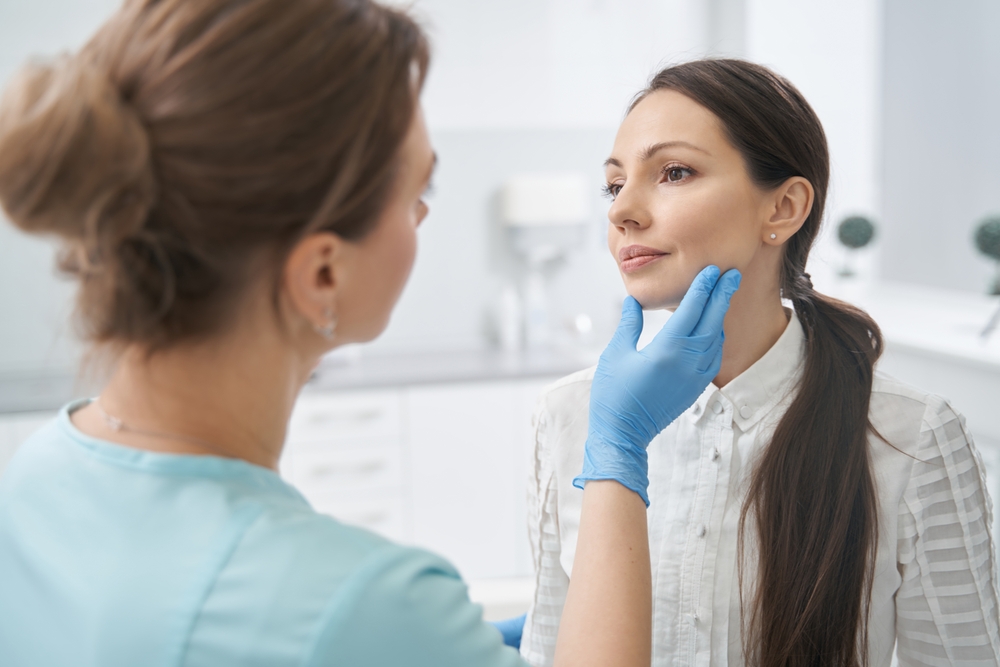
Your skin changes throughout your life, and while many minor issues can be managed with a good skincare routine, some symptoms require professional attention. Ignoring persistent skin problems can lead to complications or delay the diagnosis of serious conditions. A dermatologist specializes in diagnosing and treating diseases of the skin, hair, and nails, making them the best resource for maintaining long-term skin health.
Knowing when to schedule an appointment can help you protect your skin and prevent more serious health concerns.
Why Regular Dermatology Checkups Matter
Many skin conditions develop gradually and may not cause significant discomfort in their early stages. Routine dermatology visits allow professionals to detect problems early, recommend effective treatments, and monitor changes that could indicate skin cancer or other medical conditions.
Early intervention often results in faster recovery and better treatment outcomes.
1. Persistent Acne That Doesn’t Improve
Occasional breakouts are common, but severe or long-lasting acne may require medical treatment. If over-the-counter products fail to improve your skin after several weeks, a dermatologist can recommend prescription medications, topical treatments, or advanced procedures.
Treating acne early also reduces the risk of permanent scarring.
2. Changes in Moles or Skin Growths
A changing mole can sometimes be an early sign of skin cancer. Watch for changes in:
- Size
- Shape
- Color
- Border
- Thickness
If a mole begins bleeding, itching, or growing rapidly, seek medical evaluation immediately.
3. Chronic Itching or Skin Rashes
Persistent itching or unexplained rashes may indicate eczema, allergic reactions, psoriasis, fungal infections, or autoimmune disorders.
If symptoms continue for more than a few weeks or continue returning, professional diagnosis is recommended.
4. Excessive Hair Loss
While losing some hair each day is normal, sudden or excessive hair loss may signal underlying health conditions, hormonal changes, nutritional deficiencies, or scalp disorders.
Dermatologists can identify the cause and recommend effective treatment options.
5. Skin That Doesn’t Heal Properly
Cuts, sores, or wounds that fail to heal within a reasonable time should never be ignored. Slow-healing skin can result from infections, diabetes, poor circulation, or even skin cancer.
Early evaluation helps prevent complications.
6. Frequent Skin Infections
Recurring bacterial, fungal, or viral skin infections often indicate an underlying issue that requires professional care.
Symptoms may include:
- Redness
- Swelling
- Pain
- Pus formation
- Warm skin
Prompt treatment reduces the risk of spreading infection.
7. Severe Dryness or Peeling
Dry skin is common during colder months, but persistent dryness accompanied by cracking, peeling, or bleeding may indicate eczema, psoriasis, or another dermatological condition.
Prescription creams and personalized skincare recommendations can provide lasting relief.
8. Nail Changes
Healthy nails can reveal a great deal about your overall health. Consult a dermatologist if you notice:
- Thickened nails
- Yellow discoloration
- Nail separation
- Persistent fungal infections
- Unusual ridges or spots
Early diagnosis improves treatment success.
9. Sudden Changes in Skin Color
Unexpected dark patches, white spots, redness, or uneven pigmentation may be linked to hormonal changes, autoimmune disorders, infections, or sun damage.
A dermatologist can determine the underlying cause and recommend appropriate treatment.
10. Signs of Premature Skin Aging
Fine lines, wrinkles, sunspots, and loss of skin elasticity are natural parts of aging, but excessive sun exposure can accelerate these changes.
Dermatologists offer preventive advice and treatments that improve skin texture while reducing visible signs of aging.
How to Maintain Healthy Skin
Along with regular dermatologist visits, healthy habits play an important role in preventing skin problems.
Follow these skincare tips:
- Wear sunscreen with SPF 30 or higher every day.
- Cleanse your skin gently twice daily.
- Moisturize regularly to protect the skin barrier.
- Drink enough water to stay hydrated.
- Eat a balanced diet rich in vitamins and antioxidants.
- Avoid smoking and excessive alcohol consumption.
- Get enough sleep and manage stress effectively.
These habits support healthy skin and reduce the likelihood of many common dermatological concerns.
Conclusion
Your skin often provides important clues about your overall health. Persistent acne, unusual moles, chronic rashes, excessive hair loss, and slow-healing wounds are just a few signs that it’s time to visit a dermatologist. Seeking professional care early can improve treatment outcomes and help prevent more serious complications. Combined with a consistent skincare routine and healthy lifestyle choices, regular dermatology checkups are an essential part of maintaining healthy, beautiful skin for years to come.
