



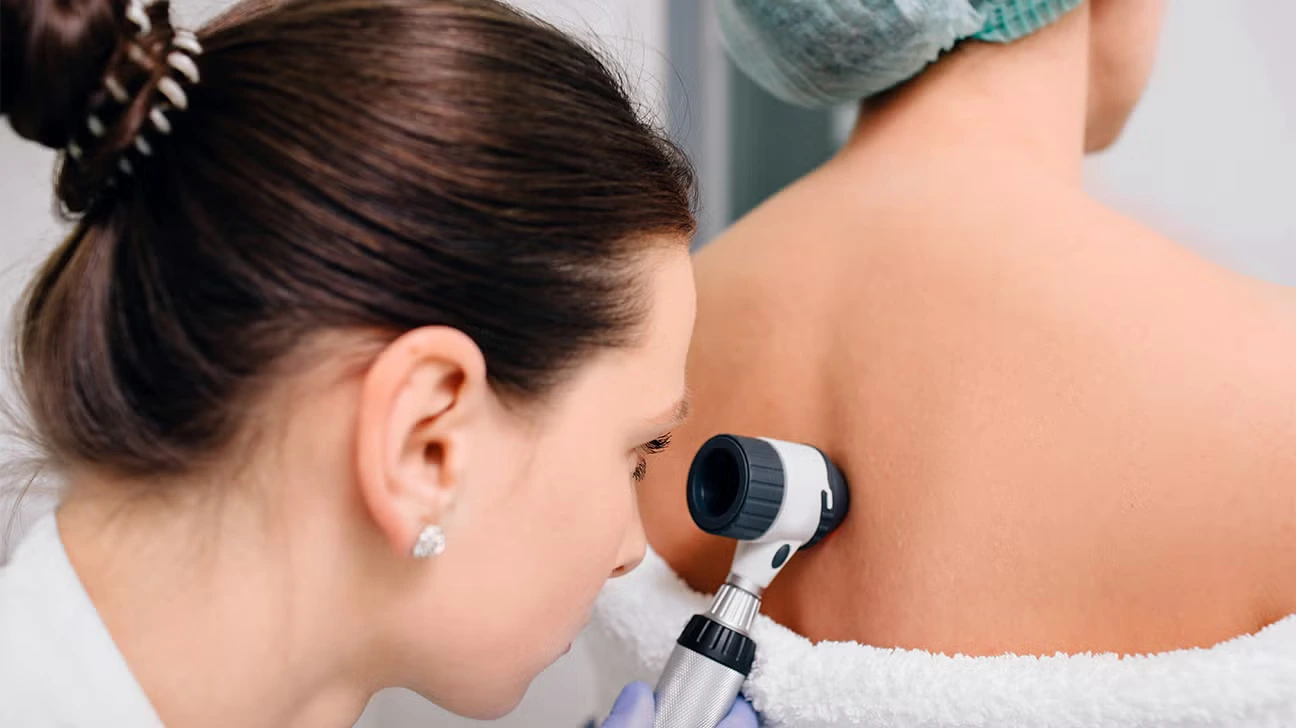
Healthy skin is more than just a cosmetic concern, it plays a crucial role in protecting your body from bacteria, viruses, pollution, and harmful ultraviolet (UV) rays. However, millions of people experience skin problems every year, ranging from mild acne to chronic conditions like eczema and psoriasis. Understanding common skin conditions can help you recognize symptoms early, seek appropriate treatment, and maintain healthier skin.
This guide explores the most common dermatological conditions, their causes, symptoms, treatment options, and practical tips for keeping your skin healthy.
Why Skin Health Is Important
Your skin is the largest organ in your body and serves as a protective barrier against external threats. It also helps regulate body temperature, prevents moisture loss, and supports your immune system. When your skin becomes damaged or unhealthy, it can increase the risk of infections, irritation, and discomfort.
Maintaining good skin health through proper skincare and regular dermatology checkups can help prevent many common skin issues.
Common Skin Conditions
Acne
Acne is one of the most common skin conditions, affecting both teenagers and adults. It develops when pores become blocked with excess oil, dead skin cells, and bacteria.
Common symptoms include:
- Blackheads
- Whiteheads
- Pimples
- Painful cysts
- Oily skin
Treatment may include gentle cleansers, topical creams containing benzoyl peroxide or salicylic acid, prescription medications, and lifestyle changes.
Eczema (Atopic Dermatitis)
Eczema is a chronic skin condition that causes inflammation, redness, dryness, and intense itching. It often begins during childhood but can affect people of any age.
Common triggers include:
- Dry weather
- Allergens
- Stress
- Certain soaps and detergents
Keeping the skin moisturized and avoiding known triggers can significantly reduce flare-ups.
Psoriasis
Psoriasis is an autoimmune disorder that speeds up the production of skin cells. This leads to thick, scaly patches that may itch or become painful.
Although there is no permanent cure, treatments such as medicated creams, phototherapy, and prescription medications can effectively manage symptoms.
Rosacea
Rosacea commonly affects adults and is characterized by persistent facial redness, visible blood vessels, and acne-like bumps.
Typical triggers include:
- Sun exposure
- Hot beverages
- Alcohol
- Spicy foods
- Emotional stress
Identifying and avoiding personal triggers can help control symptoms.
How to Keep Your Skin Healthy
Following a consistent skincare routine is one of the best ways to prevent many skin problems.
Cleanse Your Skin Daily
Wash your face twice a day using a gentle cleanser suitable for your skin type. Avoid harsh soaps that can strip away natural oils.
Moisturize Regularly
Moisturizers help strengthen the skin barrier and keep your skin hydrated. Choose products designed for your specific skin type to achieve the best results.
Protect Your Skin from the Sun
Daily sunscreen use is essential for preventing premature aging and reducing the risk of skin cancer. Use a broad-spectrum sunscreen with SPF 30 or higher whenever you spend time outdoors.
Eat a Healthy Diet
A nutrient-rich diet supports skin repair and overall skin health. Foods rich in vitamins A, C, E, zinc, and omega-3 fatty acids can contribute to healthier skin.
Stay Hydrated
Drinking enough water supports normal skin function and helps maintain moisture levels. Proper hydration, combined with a balanced diet, contributes to smoother and healthier-looking skin.
When Should You See a Dermatologist?
While many skin conditions can be managed at home, professional medical advice is important if you experience:
- Persistent acne that doesn’t improve
- A mole that changes in shape or color
- Severe itching or unexplained rashes
- Painful or infected skin lesions
- Chronic dryness or inflammation
Early diagnosis often leads to more effective treatment and prevents complications.
Tips for Preventing Skin Problems
Healthy skin begins with simple daily habits. Consider these preventive measures:
- Avoid picking at pimples or blemishes.
- Remove makeup before going to bed.
- Wash pillowcases and towels regularly.
- Use skincare products that match your skin type.
- Limit excessive sun exposure.
- Manage stress through regular exercise and adequate sleep.
These habits can reduce the likelihood of developing many common dermatological conditions.
Conclusion
Understanding common skin conditions is the first step toward maintaining healthy skin. Acne, eczema, psoriasis, and rosacea are among the most frequently diagnosed dermatological issues, but many can be effectively managed with early treatment and proper skincare. By cleansing your skin regularly, moisturizing daily, protecting yourself from the sun, and living a healthy lifestyle, you can improve your skin’s appearance and reduce the risk of future problems. If symptoms persist or worsen, consulting a dermatologist is the best way to receive an accurate diagnosis and personalized treatment plan.
